Clear the Clutter, Reclaim Your Focus

Today we explore minimalist phone setups—tools and habits to reclaim focus—by reshaping screens, pruning alerts, and aligning daily rituals with what truly matters. Expect practical checklists, human stories, and tiny design tweaks that compound into calm. Whether you are overwhelmed by pings or simply curious, you will leave with a lighter device, clearer priorities, and a plan to protect attention without losing what you need.

One Screen, One Row

Commit to a single row of icons plus the dock, embracing intentional scarcity. Muscle memory improves when options shrink, and wandering declines dramatically. A product designer I coached tried this for a month, saved minutes daily, and finally stopped opening messages during reflective morning coffee.

Monochrome Icons, Muted Wallpaper

Desaturate icons, pick a muted wallpaper, and watch compulsive glances soften. Color drives salience and urges taps; grayscale returns agency. One reader reported fewer late-night pickups after switching backgrounds to a quiet gradient and converting icons to monochrome through accessibility settings.

Notifications That Respect Your Attention

Alerts are not obligations; they are negotiable contracts with your future focus. Audit permissions, keep only person-to-person and mission-critical signals, and move everything else to summaries. By designing respectful rhythms, you trade constant jitter for calm momentum and still catch what genuinely matters.

Curate Your App Diet

Your home screen reflects your values more accurately than resolutions. Delete frictionless temptation, keep tools that create or connect, and demote entertainment to intentional times. A lighter catalog lowers cognitive load, shortens decision trees, and turns the phone back into a helpful companion.

Bookend Rituals Morning and Night

Keep the phone on airplane mode until after your first meaningful act—water, stretch, journal, or plan. At night, wind down with analog rituals. Protecting two transitions changes everything, because beginnings and endings shape the entire narrative of your day.

Charging Outside the Bedroom

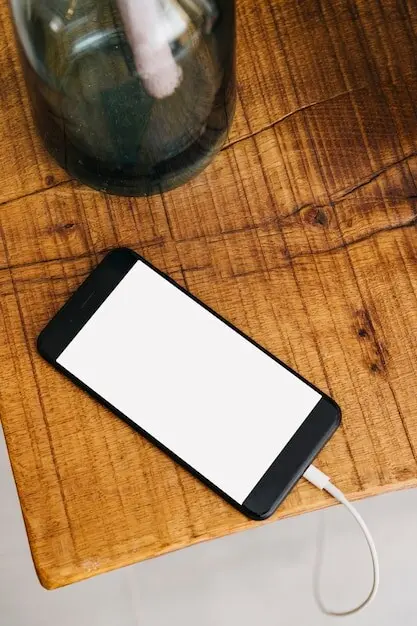
Move charging to the hallway or kitchen, and use a simple alarm clock. Absence breaks reflexes; presence of alternatives forms better ones. Within a week you will sleep deeper, read more pages, and greet mornings without the glow pulling at your mood.

Deep Work Pairings With Timers

Pair focus modes with a visible timer and a single playlist without lyrics. This ritual trains your brain to expect immersion. When interruptions arise, capture them on paper and return gently. The cue-routine-reward loop tightens, making sustained attention feel pleasantly automatic.

Physical Aids That Nudge Better Use

Simple objects can steer behavior more reliably than willpower. A stand makes glance-and-go possible, a dock cleans cables and minds, and analog companions reclaim boredom. Choose tools that make the easy path the right one, so discipline becomes largely unnecessary.

Results You Can Feel: Stories and Metrics

Numbers keep us honest, and stories keep us hopeful. Track pickups, notifications allowed, and average session length, then listen to how your days feel. The combination reveals progress you can trust and share, inspiring others to try lighter, kinder phones.
Nilomexosanosentofari
Privacy Overview

This website uses cookies so that we can provide you with the best user experience possible. Cookie information is stored in your browser and performs functions such as recognising you when you return to our website and helping our team to understand which sections of the website you find most interesting and useful.